What is Vietnamese Peaberry Coffee? The “Culi” Gem of the Highlands
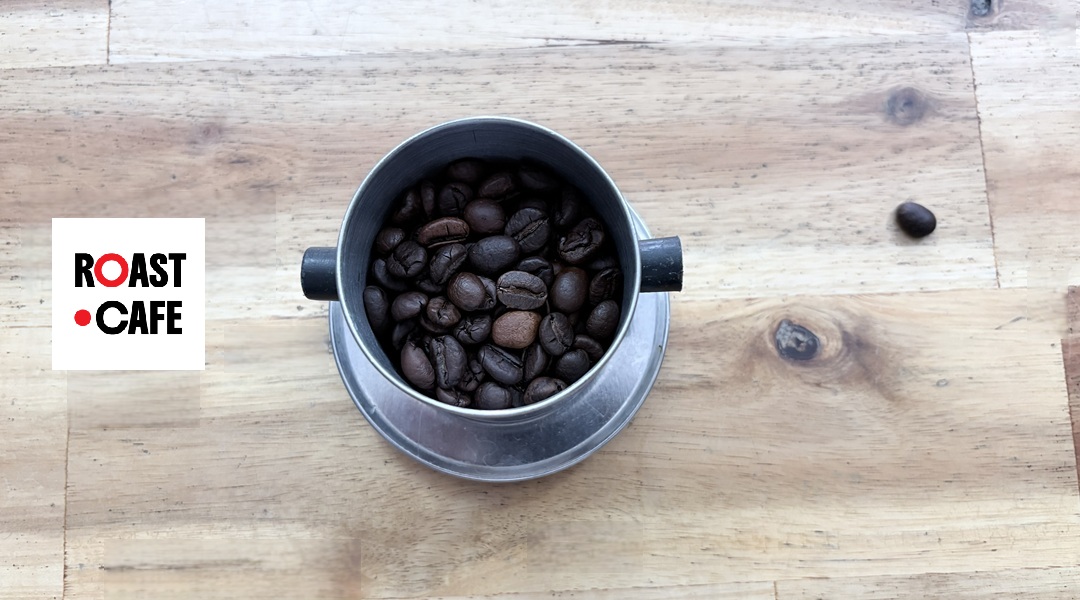
While exploring the coffee world, you may have come across beans that look different—not flat on one side, but perfectly round like a pea. In Vietnam, these are known as Culi coffee. Far from being a defect, these rare beans are prized for their concentrated flavor and intense aroma. Whether it comes from a Robusta or Arabica tree, Peaberry coffee represents a unique quirk of nature that has become a staple of Vietnamese coffee culture.
What is peaberry coffee?
Normally, a coffee cherry develops two flat-sided seeds (beans) facing each other. However, in about 5% to 10% of any harvest, a natural mutation occurs where only one seed is fertilized. This lone seed grows into a round, dense oval shape, taking up all the space inside the cherry.
Robusta peaberry
In Vietnam, the vast majority of peaberry coffee comes from Robusta trees. Because Vietnam is the world's leading Robusta producer, Robusta Culi is widely available and famous for its "punchy" nature. It possesses a significantly higher caffeine content and a much bolder, more bitter profile than standard Robusta.
Arabica peaberry
Much rarer and more expensive is Arabica Culi, primarily sourced from the high altitudes of Cau Dat (Lam Dong). It combines the elegant acidity of Arabica with the concentrated density of a peaberry, resulting in a cup that is incredibly aromatic with notes of chocolate and citrus.
The other names of peaberry coffee in Vietnamese
In Vietnam, you will rarely hear the word "peaberry" at a local coffee stall. Instead, it is called Cà phê Culi. The name is believed to be derived from the French or international trade terms, but it has become a purely Vietnamese identifier for these round beans.
The special characteristics of peaberry coffee
Because peaberry beans are round, they roll more easily in the roasting drum. This leads to a more even roast compared to flat beans. Furthermore, since the single bean absorbed all the nutrients intended for two, it is much denser. This density translates to a more concentrated flavor, a heavier body, and a more persistent aftertaste.
The conditions to get peaberry coffee
Peaberry is not a specific variety of tree; it is a biological accident. It often occurs due to poor pollination, weather inconsistencies, or environmental stress. There is no way to "force" a tree to grow only peaberries; they are simply the "chosen few" found within a regular harvest.

The total production capacity & processing methods for peaberry coffee in Vietnam
How do manufacturers sort out peaberry coffee?
Since peaberries grow on the same branches as regular beans, they must be separated after harvesting. In Vietnam, this is done using mechanical sieves with round holes. The flat beans stay on top, while the small, round peaberries fall through. In high-end facilities like those we partner with at roast.cafe, optical sorters are also used to ensure 100% purity in a Culi bag.
The total production capacity per year and by coffee varieties
As a natural mutation, Culi coffee accounts for only about 5% of Vietnam's total output. Given that Vietnam produces roughly 1.8 million tons of coffee annually, Culi production is significant but still considered a "limited edition" product. Robusta Culi makes up the bulk of this, while Arabica Culi remains a boutique specialty item.
How do the manufacturers grade Vietnamese peaberry coffee?
Grading Culi requires a keen eye for density and screen size.
Processing methods (unwashed, washed, natural and honey)
- Unwashed (Natural): Most Robusta Culi is processed this way, resulting in a heavy, earthy, and chocolatey profile.
- Washed: Often used for Arabica Culi to highlight its brightness.
- Honey/Natural (Specialty): Increasing in popularity for "Fine Culi," where the extra mucilage adds a syrupy sweetness to the already dense bean.
Sieve, defects and cupping
Standard Culi is usually graded by Sieve 13 or 15 (since round beans are smaller in diameter). Defects like broken beans or "sour" beans are strictly removed. In cupping, a high-quality Culi is expected to have a "cleaner" bitterness than regular Robusta and a significantly more "viscous" mouthfeel.

The consumption of peaberry coffee in Vietnam
Vietnamese drinkers love Culi because it fits the "Gout" (taste) of the country: Strong, Black, and Intense.
The “Booster” Effect
In my view, Peaberry coffee serves as a "natural booster" for Vietnamese blends. Many local roasters don't sell 100% Culi; instead, they mix 10% to 20% Culi into their standard blends. This adds a "spark" of caffeine and a depth of body that flat beans sometimes lack. It is the secret ingredient that makes a morning cup feel extra powerful.
The Collector’s Choice
I believe Culi represents the "curiosity" of coffee. For a brand like roast.cafe, offering a Culi line is a sign of expertise. It tells the customer that you understand the anatomy of the coffee cherry. It appeals to the connoisseur who wants to experience the "maximalist" version of a bean—the most caffeine, the most body, and the most aroma.
Conclusion
Vietnamese Peaberry (Culi) coffee is a beautiful reminder that nature's "accidents" can often be its greatest gifts. By concentrating the essence of the coffee cherry into a single, round seed, the Culi bean offers an intensity that is unmatched by standard flat beans. Whether you are looking for the extreme kick of a Robusta Culi or the refined complexity of an Arabica Culi, these "peas" of the Central Highlands are a must-try for any serious coffee lover.
Experience the concentrated soul of Vietnam with our Culi selection at roast.cafe.